SOLUTIONSSPACESCLASSROOMS


Classroom audio system

Ensure every student can hear and be heard — from anywhere

Build successful hybrid and HyFlex classrooms that help instructors stay focused on teaching and not on tech troubleshooting. Full-room microphone pickup, Adaptive Voice Amplification and automated camera switching all result in deeper engagement and learning.

Explore the lineup

Find the right fit for your space and use case.

FAQs

Who is Nureva’s classroom audio designed for?

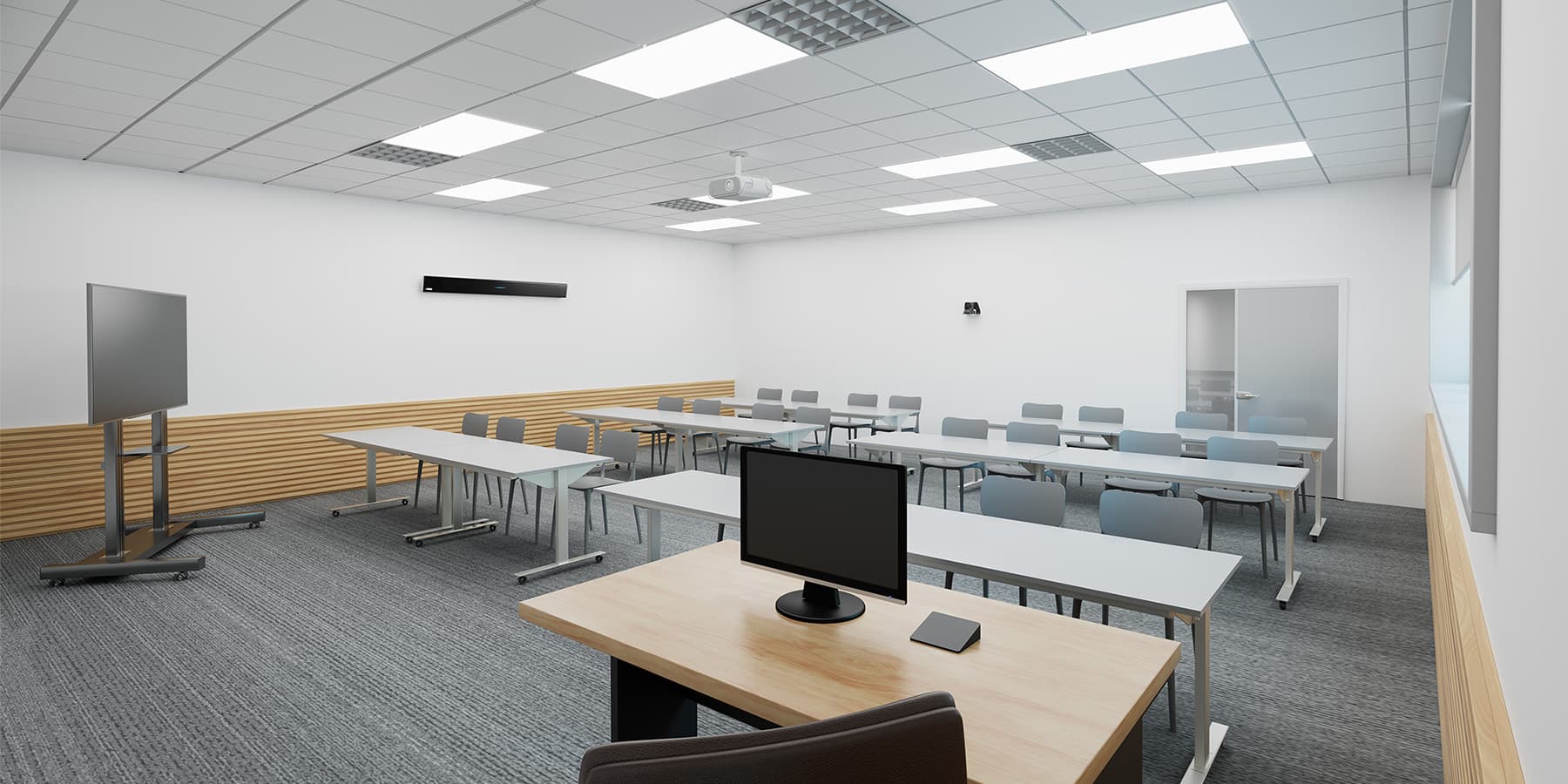
Nureva’s classroom audio systems are a strong fit for colleges and universities managing hybrid and HyFlex teaching spaces. Higher education classrooms, including tiered lecture halls and multipurpose spaces, all present the same core challenge: Students and instructors are spread across a large space, and remote participants need to hear and be heard as clearly as those physically present. With full-room mic pickup and Adaptive Voice Amplification, Nureva® audio systems are purpose-built for these environments, where instructors might move around and student contributions can come from anywhere in the room. For IT and AV teams at higher education institutions, the Nureva appeal goes beyond audio performance. Systems can be installed in as little as 30 or 60 minutes and require no specialist configuration. Also, Nureva Console is included to support fleet management across every deployed classroom from a single platform. The ease of installation and management makes it practical to equip an entire campus without adding significant overhead to the IT team.

How does Nureva audio address the challenges of hybrid and HyFlex classrooms?

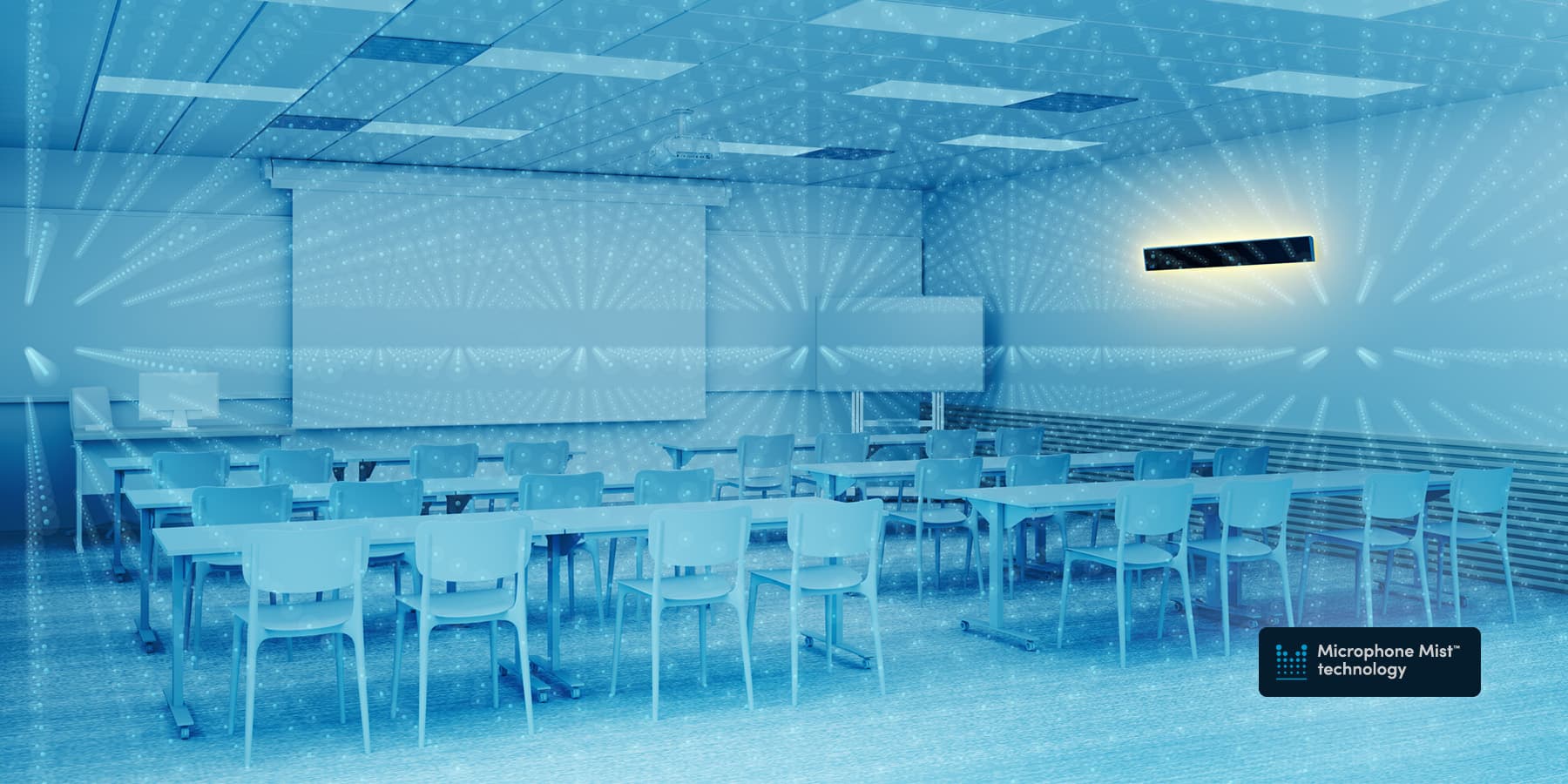
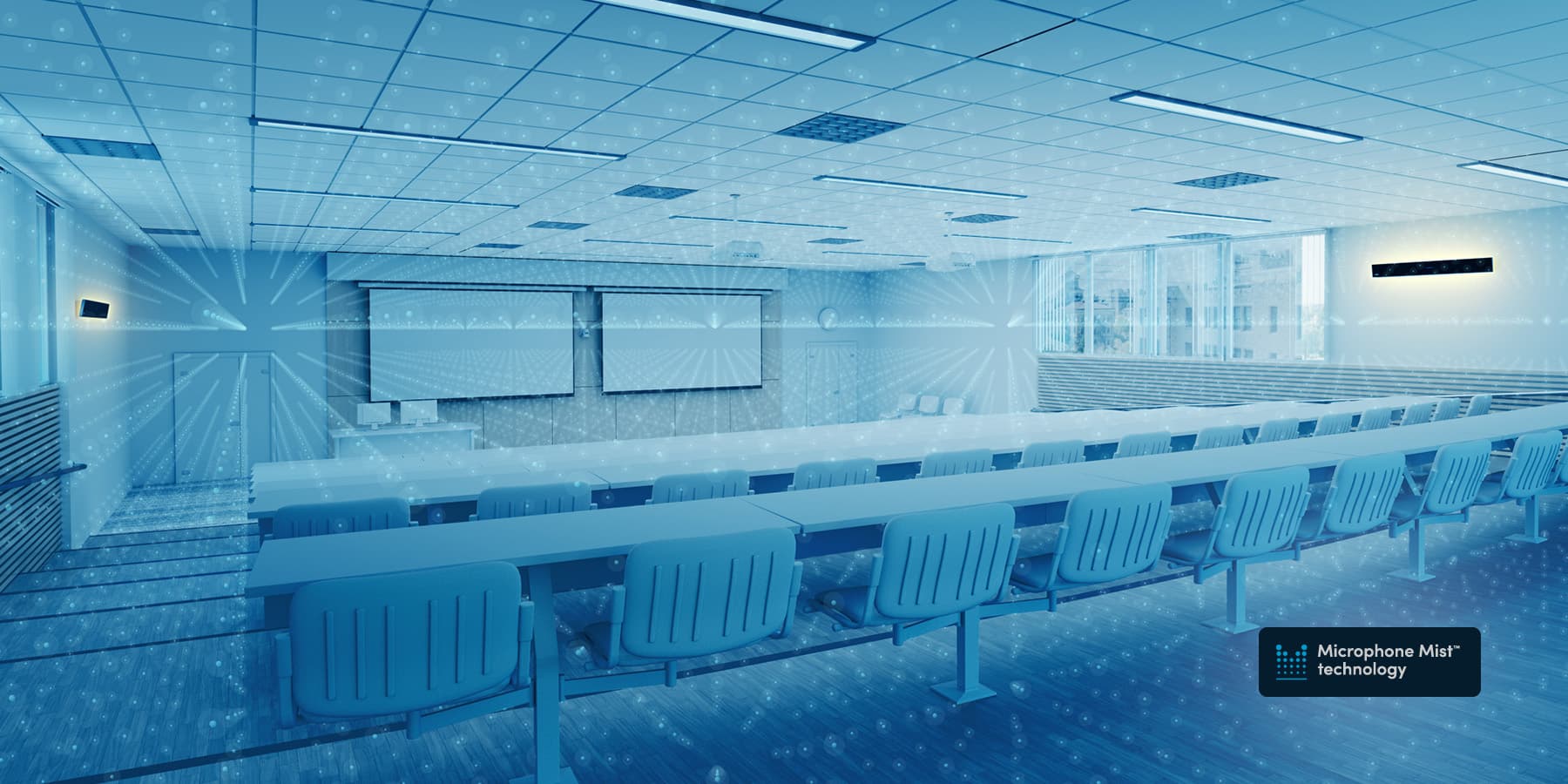
Nureva’s classroom audio systems are powered by Microphone Mist technology, which fills the entire classroom with thousands of virtual microphones so every voice (instructor or student) is picked up clearly from anywhere in the room. This means teachers can move freely without the microphone signal being lost and students can contribute from wherever they sit without needing an extra microphone. Adaptive Voice Amplification ensures in-room students can hear the instructor clearly while keeping the volume consistent for remote participants, and sound location data drives automated camera switching so remote students always see who’s speaking. The result is a hybrid classroom audio environment where all students get an equal experience, without the complexity of a traditional multicomponent audio setup.

What should I look for in a classroom audio system for hybrid learning?

The most important things to consider in a classroom audio system are full-room microphone pickup, freedom of movement for teachers and reliable pickup of every student’s voice. A well-designed hybrid classroom audio solution ensures that both in-room and remote students can hear each other clearly and that teachers are not required to stay near a fixed microphone or project their voice with extra effort. Ease of installation and low maintenance also matter, especially for IT teams managing audio systems across many classrooms in a university, college, school or district.

How does Nureva compare to traditional classroom audio systems?

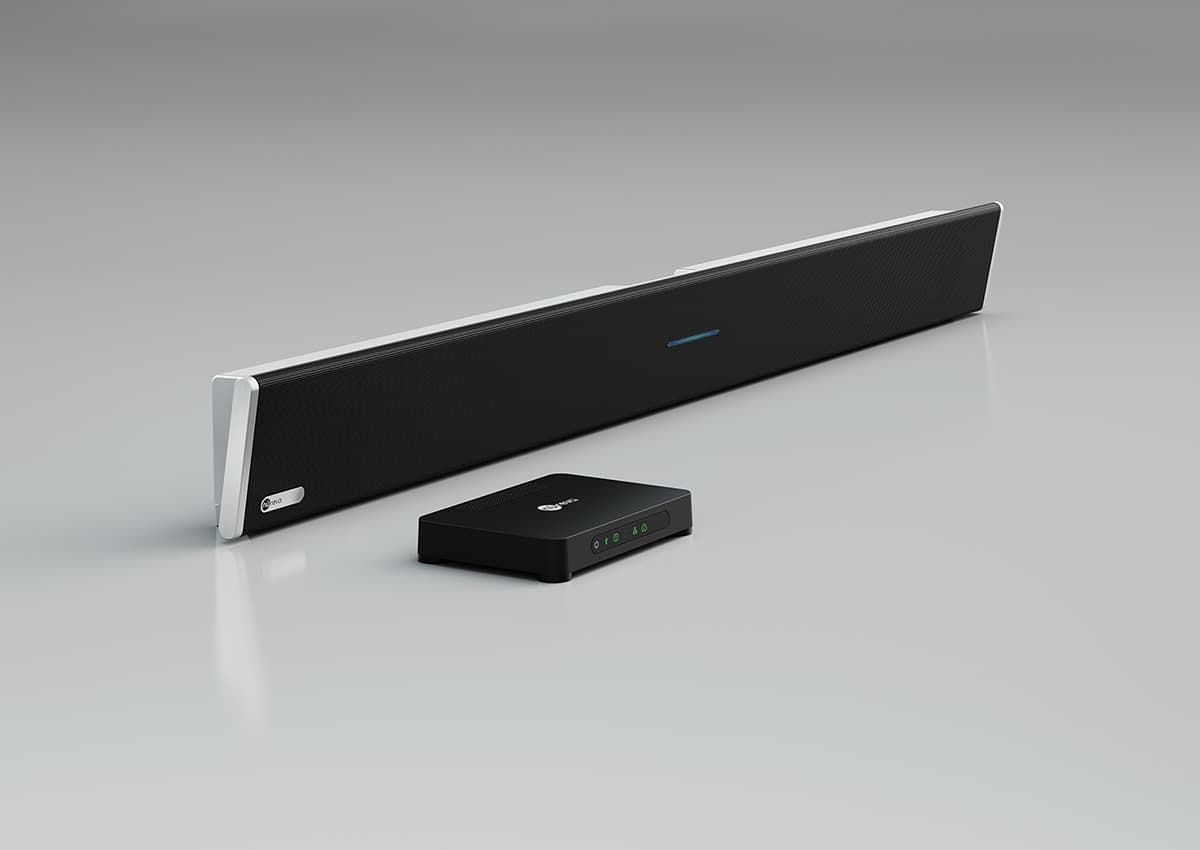
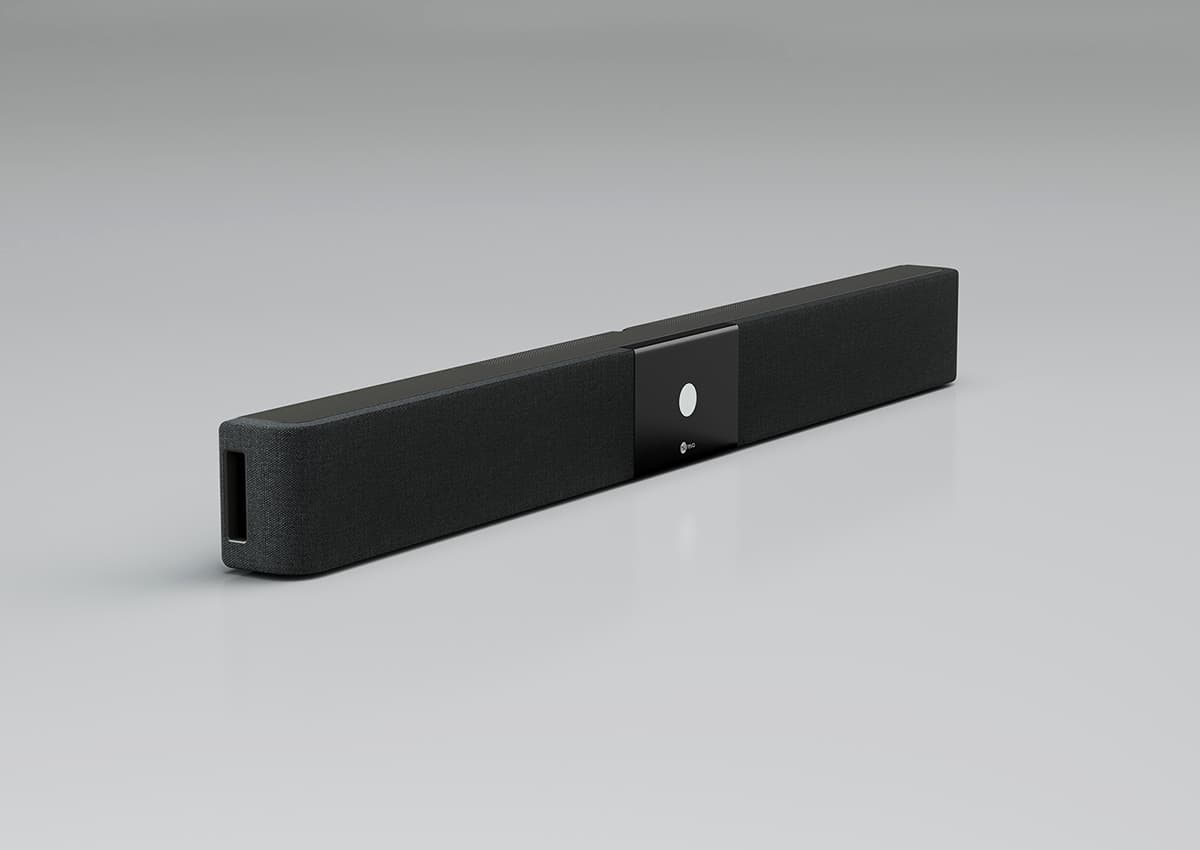
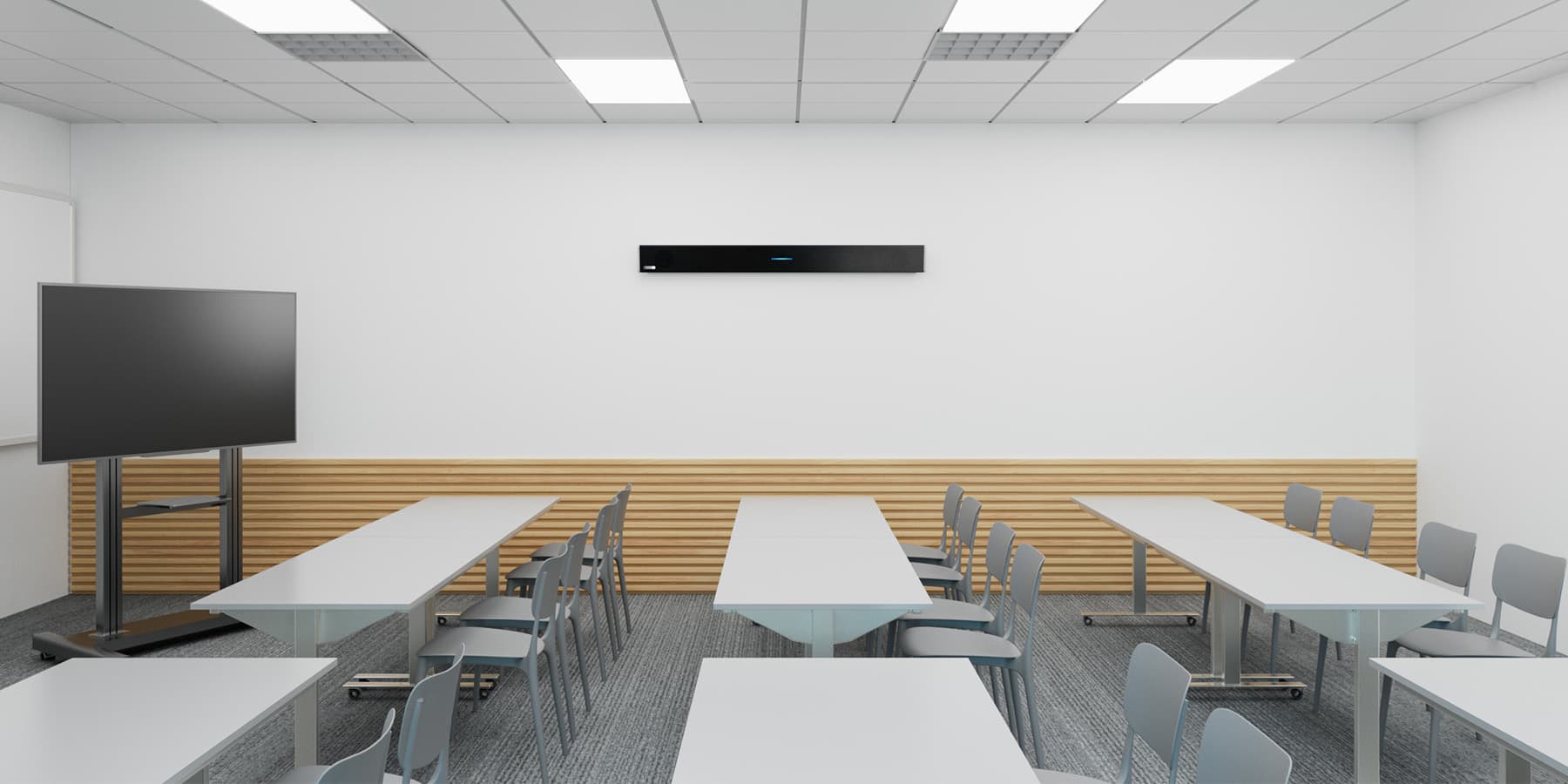
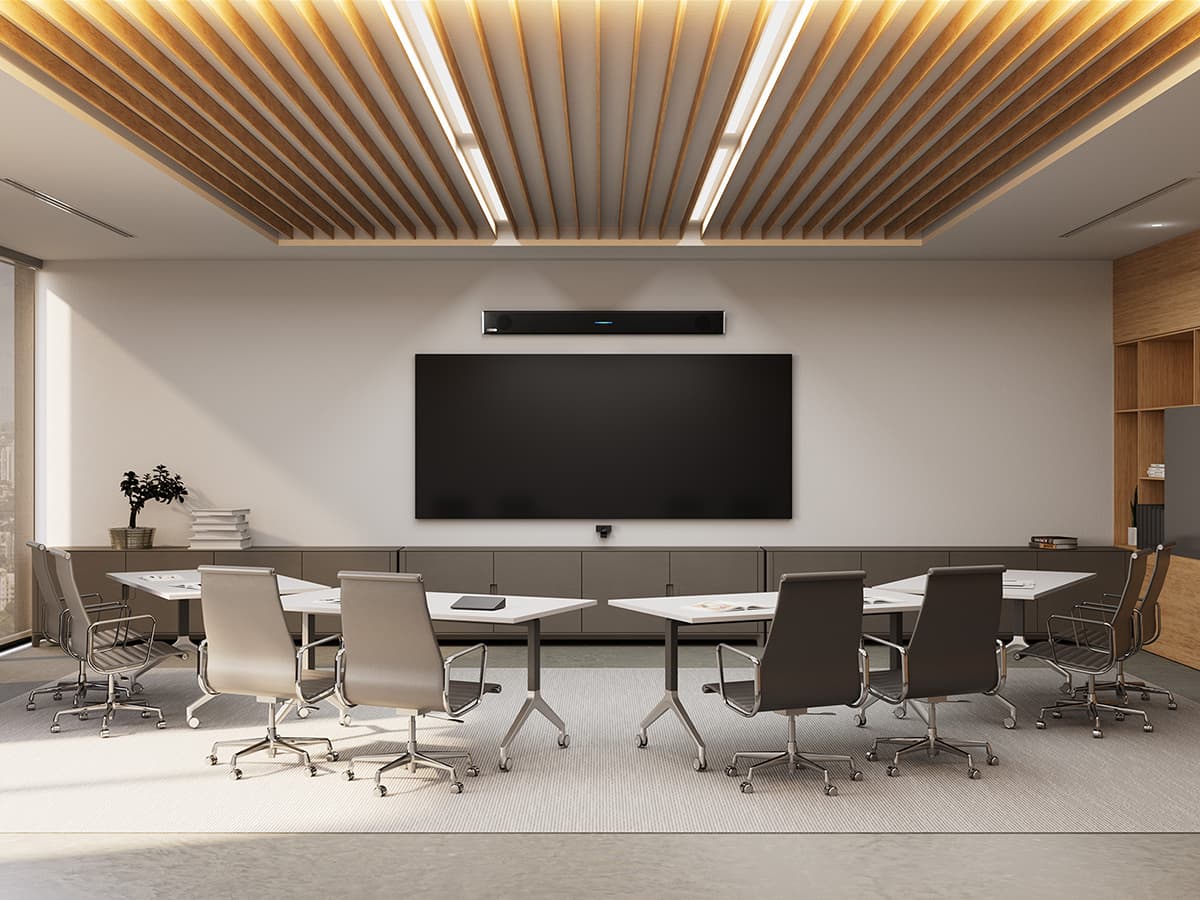
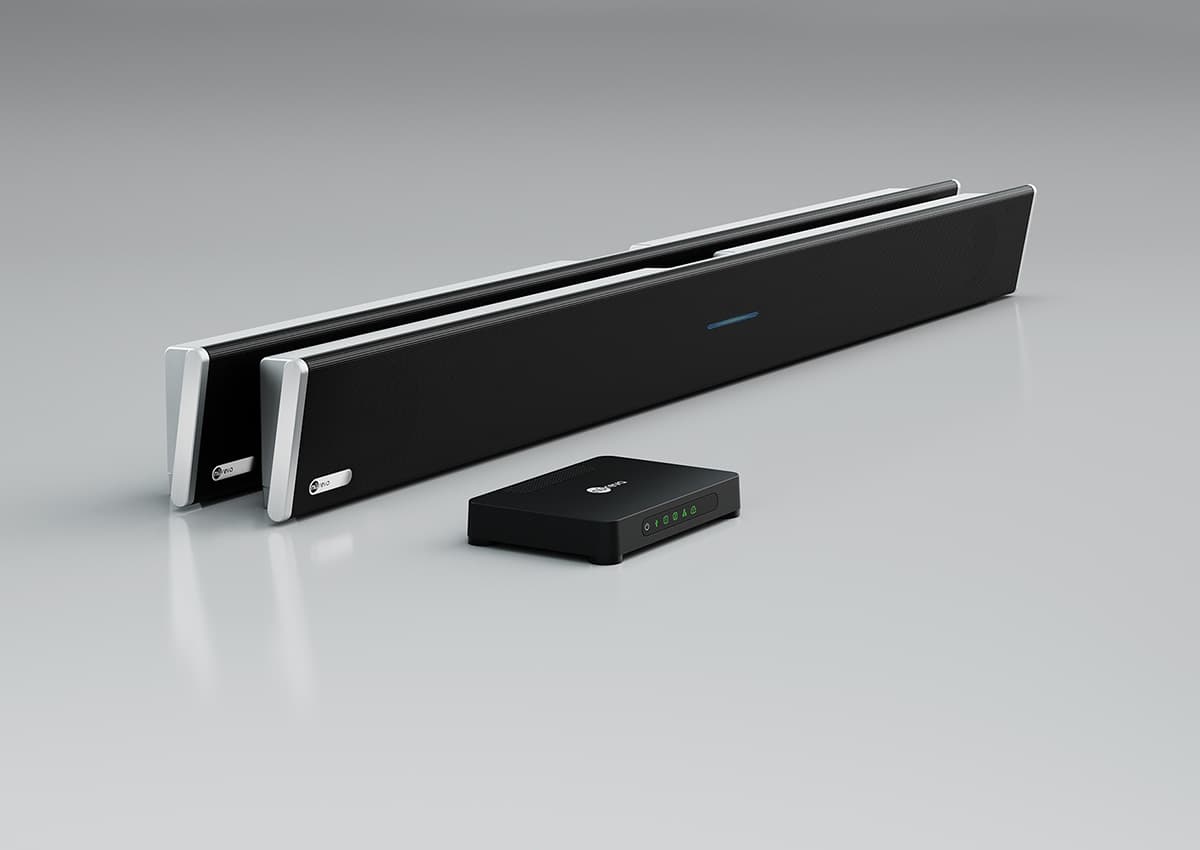
Traditional classroom audio systems typically involve invasive ceiling installations, a DSP, a separate amplifier and multiple speakers wired throughout the room, each requiring individual configuration and ongoing maintenance. Nureva’s HDL audio systems replace all of that with one or two wall-mounted microphone and speaker bars and a small connect module. With patented Microphone Mist technology, the entire classroom is filled with thousands of virtual microphones, so the teacher’s voice and student contributions are picked up clearly from anywhere in the space. Adaptive Voice Amplification provides in-room sound reinforcement of a teacher’s voice with the addition of an external microphone. Installation takes as little as 30 minutes, continuous autocalibration keeps the system optimized over time and fleet management tools make it easier for a college, university, school or district to support and update every deployed classroom audio system from a remote location.

Which Nureva system is right for my classroom?

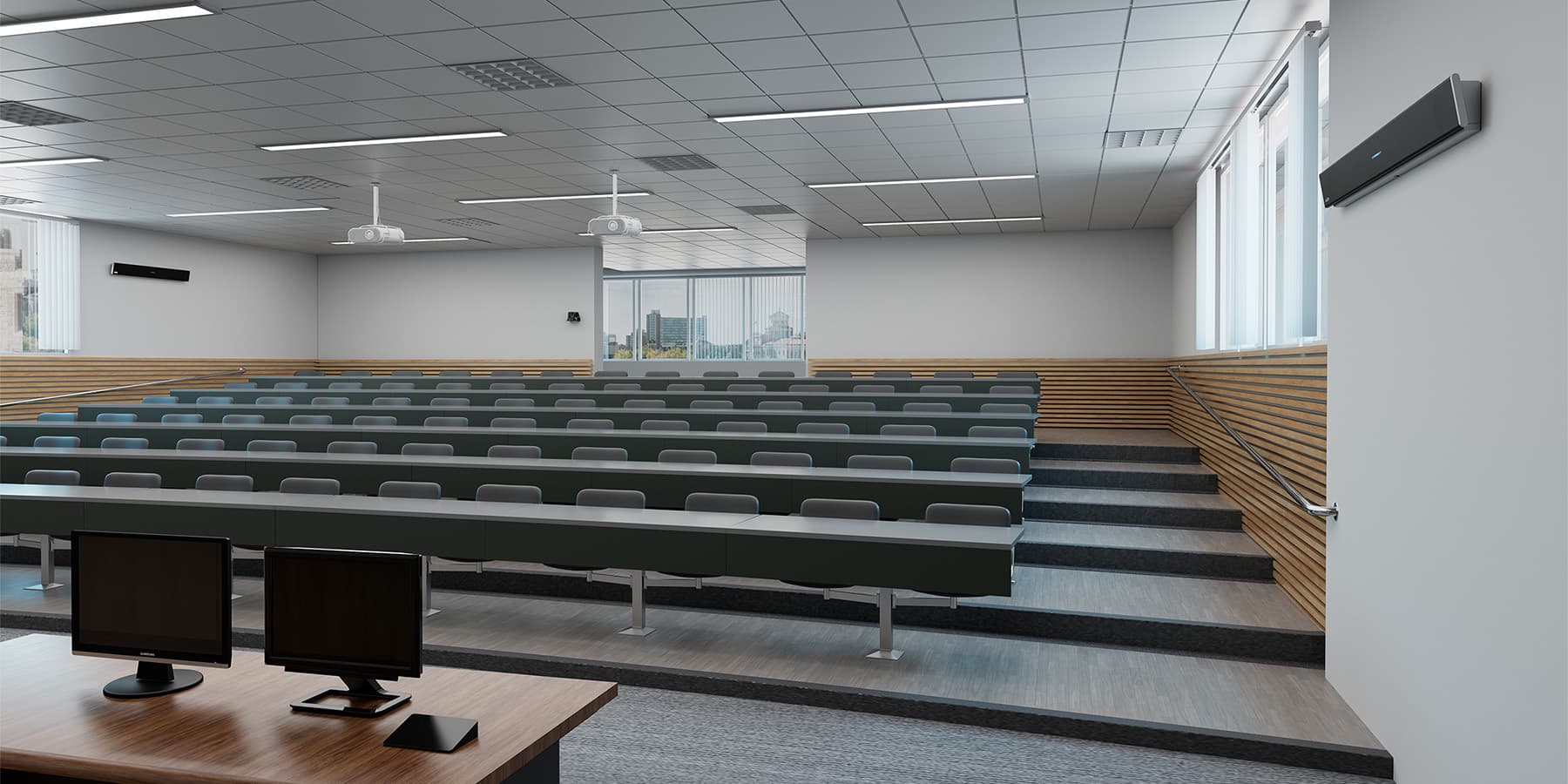
The right solution depends on the room size and features required. For small classrooms and midsize seminar rooms up to 18' x 18' (5.5 x 5.5 m), the HDL200 system is a simple, affordable option that can be installed in about 30 minutes. The HDL310 system handles classrooms up to 30' x 30' (9.1 x 9.1 m). For extra-large classrooms, lecture halls and tiered rooms, the HDL410 system covers spaces up to 35' x 55' (10.7 x 16.8 m). The multiple speakers in its two integrated mic and speaker bars ensure a consistent audio level throughout the entire classroom. HDL series systems also support lecture capture, meeting recording and support for AI agents such as Microsoft® Copilot and Zoom AI Companion. For institutions that need a broader set of in-room audio capabilities, the new HDX series covers spaces up to 40' x 60' (12.2 x 18.3 m) and adds features like Adaptive Voice Lift, assistive listening and full-range distributed audio, all in a modular, scalable system that installs without specialist expertise.

How does Nureva support instructor freedom of movement during teaching?

At the core of Nureva’s classroom audio technology is patented Microphone Mist technology. It fills the entire classroom with thousands of virtual microphones so the instructor’s or teacher’s voice is picked up clearly, whether they’re standing at the front of the room, moving around the room or facing a wall to write on a board or project content on a display. Instructors and teachers can move freely throughout the space without any teacher microphone signal loss. This keeps the focus on teaching and not on technology.

How does Adaptive Voice Amplification improve student engagement?

Adaptive Voice Amplification is a Nureva audio feature that amplifies the teacher’s voice for students seated throughout the room without diminishing full-room mic pickup for remote participants. Students at the back of the classroom can hear the instructor with crystal clear sound, while the system still picks up the voices of everyone else in the room. During group discussions, students joining remotely can hear every comment in the room, without the instructor needing to repeat back what was said. When an instructor wants to ensure their voice is the only one heard by remote students, the audience mute setting can easily be turned on. Adaptive Voice Amplification reduces vocal strain on teachers and creates an environment where every student can learn without straining to hear. No separate amplifier or additional audio sources are needed to make this work.

Do Nureva’s systems pick up student participation or just teachers’ voices?

Full-room mic pickup ensures that student engagement extends beyond the front row. Any student who speaks up, regardless of where they sit in the room, will be heard clearly by remote participants. This is a key advantage of Nureva’s classroom audio approach over setups that rely on a single teacher microphone or a few fixed microphone positions near the front. When hybrid classroom audio works effectively, it enables open communication between in-room and remote participants for real teaching and discussion.

How long does it take to install a Nureva classroom audio system?

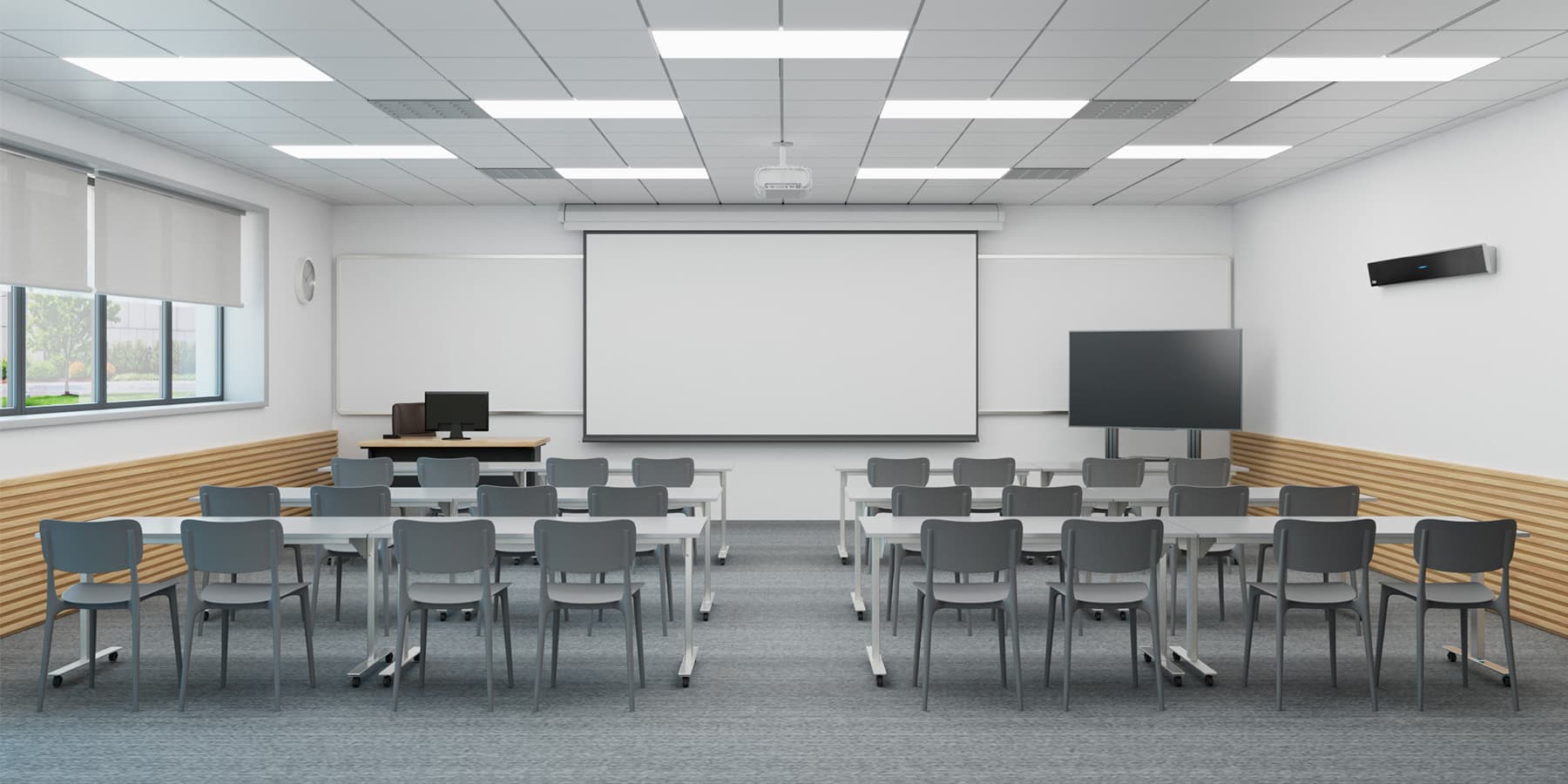
Most Nureva audio systems can be installed in as little as 30 or 60 minutes. The system mounts to a wall or display, requiring no invasive ceiling work, no DSP programming and no specialist installer. IT team members can connect the system, plug it in and have a classroom ready without a complex setup process or time spent waiting for a third-party technician. Installation hassles and issues, such as cabling through the ceiling and cutting into tiles, are avoided. Continuous autocalibration ensures the system stays optimized with minimal ongoing maintenance.

Does Nureva audio work with cameras for hybrid classroom use?

Yes. Nureva audio systems generate sound location data through Microphone Mist technology, enabling automated camera tracking and switching. This ensures remote students always see whoever’s talking in the room, whether that’s a teacher at the front or a student at a desk. Reference designs pairing the HDL310 and HDL410 with Logitech and Sony cameras are available, providing a complete hybrid classroom audio and video solution that meets the needs of modern classrooms without complex integrations.

How can I manage Nureva systems across multiple classrooms?

Nureva audio systems include fleet management through Nureva Console, a secure cloud-based platform that enables IT administrators to view, adjust and update every deployed system remotely. This is particularly valuable for a university, college, school or district managing dozens of rooms. The Nureva Developer Toolkit provides APIs to build automations and custom workflows, and the Nureva App supports initial setup and acoustic checks. These features make ongoing support easier and reduce the level of hands-on maintenance required to keep classrooms running well.

Are Nureva classroom audio systems compatible with Microsoft Teams and Zoom?

Yes. Nureva audio systems are compatible with Microsoft Teams, Zoom, Google Meet and other UC&C platforms, making them a flexible hybrid classroom audio solution for institutions that require classroom audio with videoconferencing for teaching. The HDL310 and HDL410 systems are certified for Teams and Zoom, so IT teams can choose a system with confidence that communication platform compatibility won’t become an issue they’ll need to troubleshoot.

How does a Nureva system compare to a school’s PA system or ceiling mic setup?

A school’s PA system is designed for one-way announcements and isn’t built for two-way conferencing-style communication. Traditional ceiling mic arrays require a separate DSP, an amplifier, precise placement and regular calibration. Nureva’s HDL classroom audio systems are designed to handle microphone pickup and sound processing with one or two wall-mounted microphone and speaker bars, and no additional audio sources or complex wiring are required. Plus, there’s no need for multiple speakers on the ceiling, a separate controller or ongoing specialist support to keep things running. For hybrid and HyFlex classrooms, this approach simplifies installation, reduces cost and lowers long-term maintenance demands.